


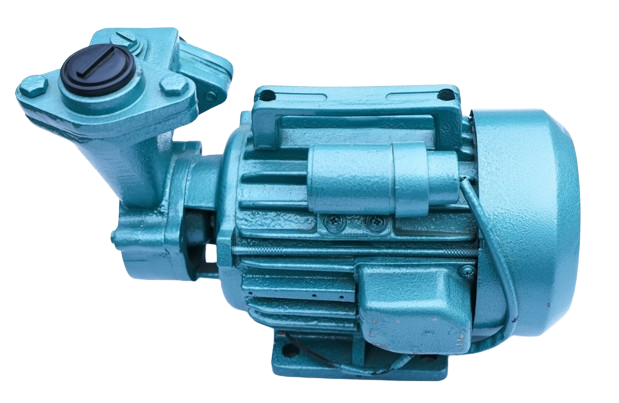
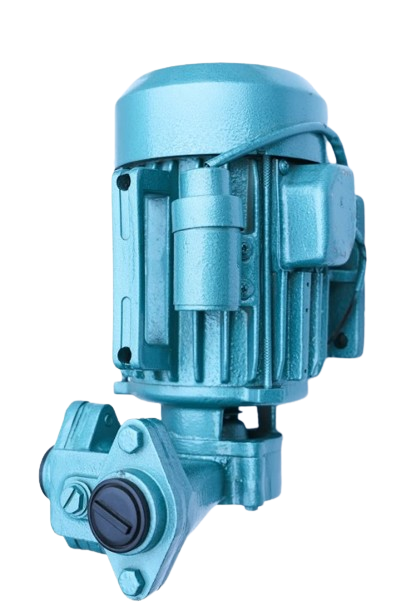
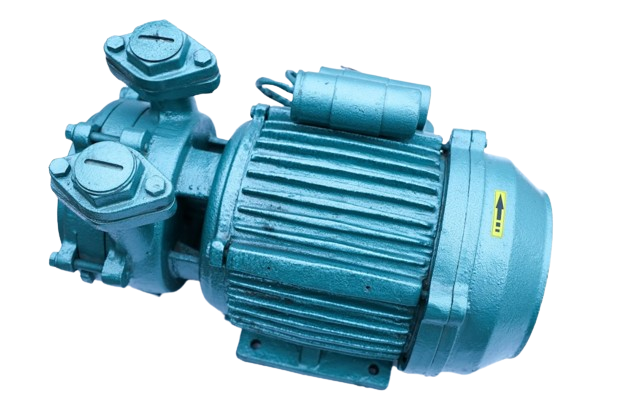
Self Priming High Speed Single Phase
Let’s dive into the fascinating world of self-priming pumps—a type of pump that’s both clever and efficient.
Guaranteed safe checkout




Monday - Sunday 10:00AM - 9:00PM
Description
Description
1. What Are Self-Priming Pumps?
A self-priming pump is like the superhero of the pumping world. It has a nifty ability: it can automatically remove air or gases from its suction side during the priming process. Unlike traditional centrifugal pumps that need to be fully primed (i.e., filled with liquid) before they can start pumping effectively, self-priming pumps are more forgiving. They can kick into action even if the pump casing and impeller aren’t completely submerged initially.
2. How Do They Work?
Imagine this: You’ve got a self-priming pump. It’s sitting there, ready to do its thing. But it’s not empty—it’s got a little reservoir of water (or whatever liquid it’s meant to pump) tucked away.
When you turn on the pump, it cleverly recirculates this stored liquid, creating a mini water cycle. As it does so, it pushes out any pesky air bubbles from the suction line. Voilà! Primed and ready to go.
The magic lies in that built-in water storage tank—usually positioned in front of or above the
impeller. It’s like the pump’s secret stash of liquid courage.
Reviews (0)
Additional information
3. Types of Self-Priming Pumps:
There’s no one-size-fits-all here. Self-priming pumps come in different flavors:
Liquid Primed Self-Priming Pump: These rely on the liquid itself to kickstart the priming process.
Compressed Air Primed Self-Priming Pumps: These use a burst of compressed air to get things going.
Vacuum Primed Self-Priming Pump: These create a vacuum to pull the liquid in.
Each type has its own quirks and applications.
4. Why Do You Need Them?
Picture scenarios where air can sneak into your pump—like sewage pumping or irrigation. Self-priming pumps handle these situations like pros.
They’re also great for processes where the suction line isn’t always full of liquid. Efficiency, thy name is self-priming!
5. Advantages:
No manual priming is required—these pumps are independent souls.
Handy for irregular processes where priming can be a pain.
Can re-prime themselves even under lifting conditions.


Reviews
There are no reviews yet.