


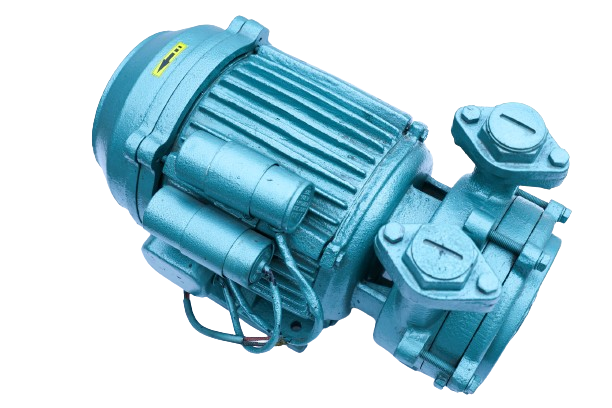
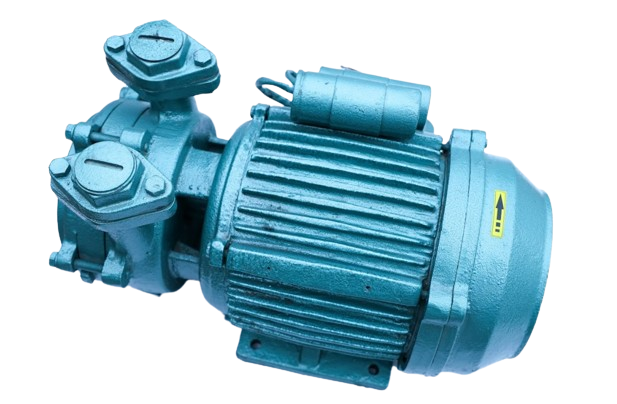
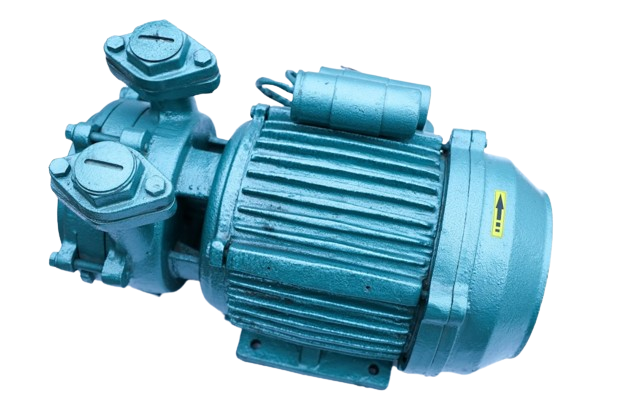
Self Priming Slow Speed
These pumps contain a secret stash—a reservoir surrounding the pump casing. When you energize the pump, it begins to pump the water (or other liquid) retained in that reservoir from the last operation.
Guaranteed safe checkout




Monday - Sunday 10:00AM - 9:00PM
Description
Description
Self Priming Slow Speed
Certainly! Let’s explore the fascinating world of Self-Priming Slow Speed Pumps—a type of pump that combines reliability with a deliberate pace. 🌊🔧
Self-Priming Slow Speed Pumps: The Art of Starting Smoothly
What Are They?
A self-priming pump is like the patient sage of the pumping realm. It doesn’t rush; it takes its time to get things just right. Here’s the lowdown:
Self-Priming: These pumps contain a secret stash—a reservoir surrounding the pump casing. When you energize the pump, it begins to pump the water (or other liquid) retained in that reservoir from the last operation.
Slow Speed: Unlike the frenetic dance of high-speed pumps, these operate at a deliberate pace. Think of them as the Tai Chi masters of the pumping world.
How Do They Work?
The Reservoir: Picture the pump casing as a wise old well. It holds onto some liquid even after the pump stops. When you hit the “Go” button, this retained liquid starts its journey.
Air Ballet: As the liquid is pushed out of the casing, air pirouettes into the suction side of the pump. It’s like a ballet—fluid exits, air enters, and the pump nods approvingly.
The Zen of Starting:
The Zen of Starting:
Initial Priming: Even a self-priming pump needs a nudge. Before the first operation, fill the priming chamber (integral or external) or the volute. Read the manual or consult the manufacturer—it’s like following a recipe for pump success.
Lift Considerations: At sea level, theoretically, you can lift 65-degree water about 34 feet with a self-primer. But let’s be practical—limit suction lift to around 25 feet. Factors like fluid temperature, specific gravity, friction, and elevation play their part.
Proximity Matters: Place the pump close to the liquid source (within 25 to 30 feet). Each foot of suction piping adds air volume to remove during startup. Prudent design keeps the suction pipe short and sweet.
No Foot Valves, Please: Foot valves (check valves at the suction line’s beginning) can be finicky. They add friction and might leak. Most industrial self-primers handle solids anyway. Strainers? Use them wisely.


Reviews
There are no reviews yet.